
Create a Wallet
Understand what is created, which network concepts matter first and what information must never be shared.
Learn more →Use imtoken to organize multi-chain assets, review networks before sending or receiving, follow transaction status, connect to DApps and inspect each signature or approval request. The same site also explains network concepts, wallet security and practical verification habits so that important choices remain understandable.
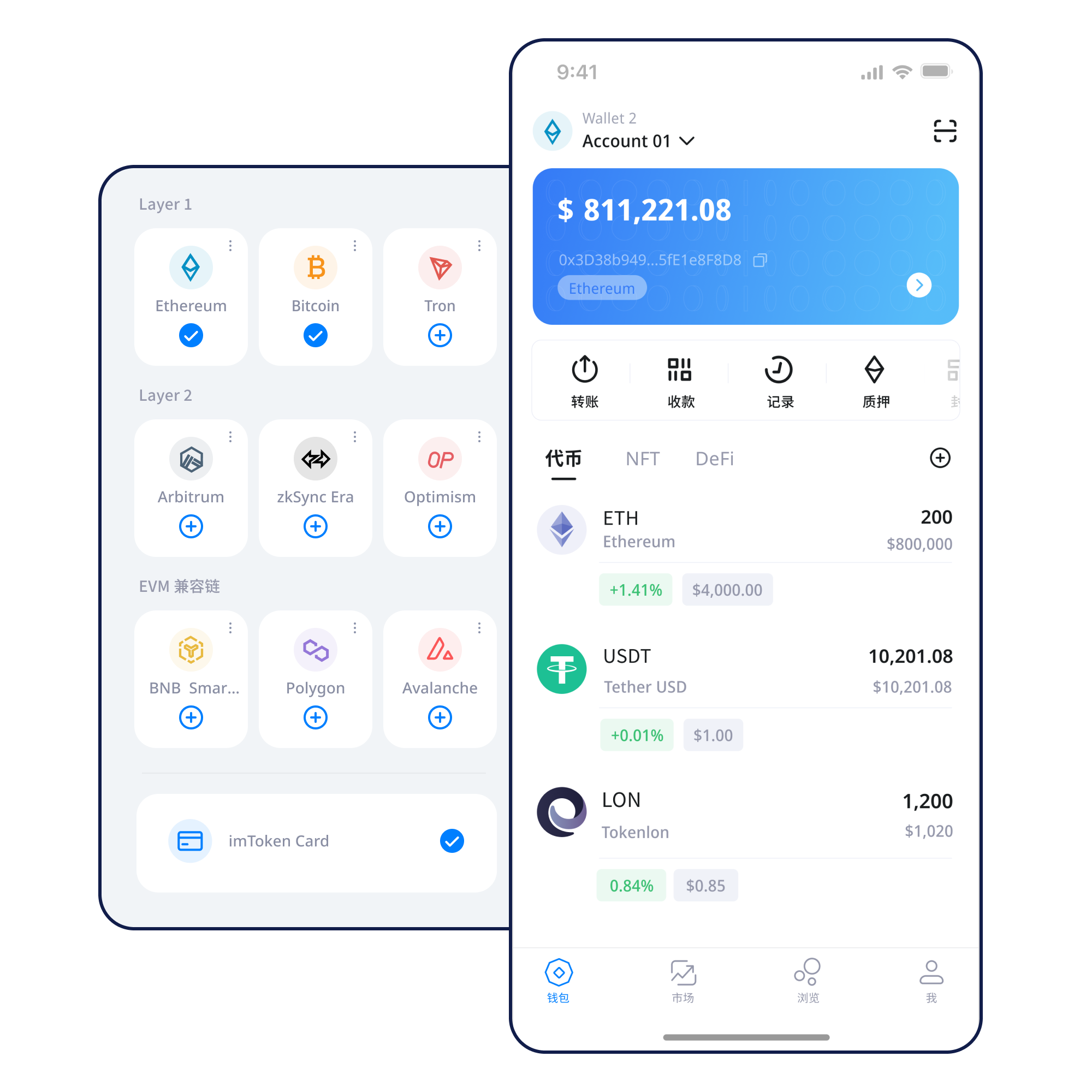
Each task has a different verification point. Treat network choice, addresses, signatures and approvals as separate decisions.
Understand what is created, which network concepts matter first and what information must never be shared.
Learn more →Keep recovery material offline, readable and under your own control before moving meaningful assets.
Learn more →Match the receiving address, network and asset type before sending funds from another account or service.
Learn more →Confirm the recipient, network, amount, fee and final transaction details before signing.
Learn more →Verify the domain, account request, signature content and any later token approval independently.
Learn more →Organize assets across networks while checking network identity, address compatibility and transaction confirmation.
Check the recipient, network, amount, gas and transaction hash as part of one traceable workflow.
Mobile asset view, network management, transaction history and DApp access.
Browser connections should make account requests, approvals and disconnecting access easy to review.
Keep seed phrases and private keys offline, and review approvals that are no longer needed.
Multiple networks can use different fees, assets and confirmation rules. Check the target network before moving assets.
Read the guide →Public chains record transactions in blocks validated by network participants. Explorers make that state independently reviewable.
Read the guide →
EVM-compatible networks share a contract execution model, but token contracts and transaction histories remain network-specific.
Read the guide →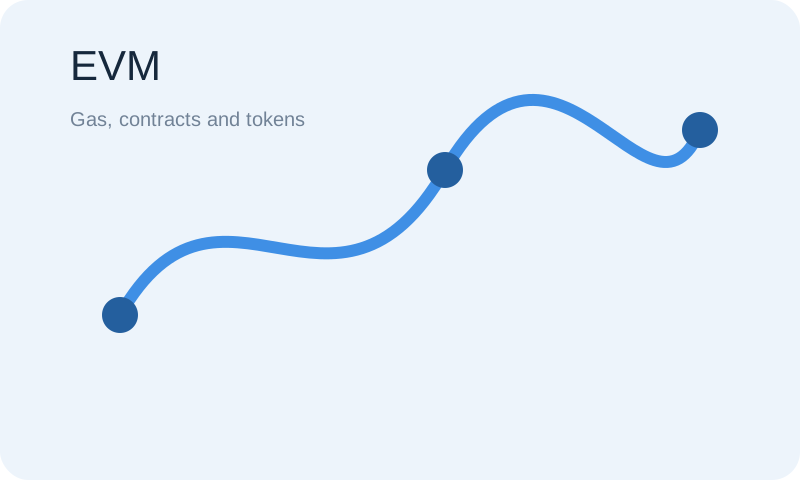
Layer 2 systems scale execution while relying on a base chain for settlement or security assumptions. Bridge flows may add waiting time.
Read the guide →
Gas and confirmations reflect network conditions. A pending transaction should be checked on-chain before another one is sent.
Read the guide →Use only the intended download path and review the package source.
Understand what you are importing and never paste seed phrases into ordinary web forms.
Keep recovery material offline and under your control.
Match the network to the asset and receiving side before continuing.
Check the full address, amount, fee and final request.
Use transaction hashes and approval tools to review what remains active.
Connecting a wallet does not mean you should approve every later request. Review every signature and approval on its own.
Open the Web3 guide →Seed phrases and private keys stay under the user’s control. Official staff will never ask for them. Review the address, network and amount before a transfer, and inspect DApp approvals before granting access.
Open Security Center →Start with addresses, seed phrases, private keys and networks. Then learn gas, transaction hashes, DApps and approvals. This sequence helps you understand what a wallet controls, what the blockchain records and what each confirmation actually authorizes.
Start learning →Learn how PoS validators participate in consensus, where rewards come from, and how withdrawals and exits can involve network-defined processes and waiting periods.
Read more →Staking does not guarantee returns. Rewards can change, validators can be penalized, smart contracts can fail, exits can take time and digital asset prices can fluctuate.
Learn about validators →Review wallet and interface changes by checking what changed and whether user action is required.
When a network changes fee behavior or availability, verify status before sending a time-sensitive transaction.
Treat unexpected signature, approval or support requests as events that require independent verification.
Service availability can change; keep critical recovery information independent of any single service.
A wallet stores and uses key material that controls accounts, while asset balances and transaction state are recorded on the relevant blockchain.
A seed phrase can usually recover a set of wallet accounts, while a private key directly controls signing for a specific account. Neither should be shared.
Assets with the same name can exist on different networks. Using the wrong network may make the transfer unusable for the recipient or difficult to recover.
Gas measures computational and block-resource usage on networks such as EVM chains. Final fees depend on network conditions, transaction complexity and fee settings.
It is a unique reference that can be used with a block explorer to check status, confirmations and transaction details.
Not by itself. Connection normally shares selected account information; approvals, signatures and transactions are separate requests.
No. A message signature may be used for authentication or authorization logic, while a transaction signature can authorize a transaction for broadcast.
It is a mechanism that lets a smart contract use a specified token up to an approved allowance. Review both the target and allowance.
Use the official download page. Review the network, address and request details before every sensitive action.